
The social landscape is often painted in binary terms: the outgoing, high-spirited extroverted introverts and their counterparts, the contemplative, reserved introverted extroverts. However, a captivating middle ground exists where certain individuals draw from both wellsprings, interweaving the energies of a shy extrovert with the depth of a social introvert. These are the ambiverts: versatile personalities who engage with the world’s vibrancy as easily as they embrace the tranquility of solitude. Their presence in a room can be as apparent as any outgoing introvert, though their comfort in quiet moments parallels that of a quiet extrovert.
Thriving in this sweet spot, sociable introverts and their reserved extrovert cousins represent a dynamic blend of temperaments that challenges our understanding of personal interactions. Their duality allows them to navigate communal endeavors and individual pursuits with a unique agility, often seen in their preference for meaningful connections over superficial chitchat.
The Complex Nature of Extroverted Introverts
The personality landscape is a tapestry woven with diverse traits, and nestled within it are extroverted introverts, also known as ambiverts. This particular blend of introversion and extroversion encapsulates a rich complexity, challenging the conventional dichotomy of social interaction and introspective solitude. Such individuals embody the traits of both an outgoing introvert and a social introvert, making them a fascinating subject within the personality spectrum.
What Defines an Extroverted Introvert?
Characterized by their unique position on the personality spectrum, ambiverts display qualities that resonate with both an introverted extrovert and a shy extrovert. On one hand, their interactions are energized and socially adept, suggesting extroversion. Yet, their penchant for reflection and the enjoyment of quiet moments alone hint at an introverted core. It is this harmonious synthesis that allows them to relish interaction without forfeiting the reinvigorating refuge of solitude. An extroverted introvert, therefore, is defined by their ability to toggle seamlessly between social engagement and private rejuvenation.
The Role of Dopamine in Ambiversion
Neurochemistry, specifically the role of dopamine, is instrumental in shaping the ambivert temperament. Dopamine, a neurotransmitter linked to pleasure and reward, behaves differently across the personality spectrum. For ambiverts, it is the delicate equilibrium of dopamine sensitivity that equips them to navigate between the energizing effects of social interaction and the contentment found in quietude. This intermediate dopamine threshold enables a shy extrovert to embrace novelty without the hyper-stimulation associated with extroversion or the rapid disinterest an introvert might display.
Carl Jung’s Influence and the Ambivert Spectrum
The seminal work of Swiss psychiatrist Carl Jung introduced the terms introversion and extroversion, ingraining them into our understanding of human psychology. Jung’s insights revealed the multidimensional nature of our personalities and hinted at the existence of those who did not fit neatly into absolute categories. His theories underscore the existence of the ambivert, situated along the fluid continuum that is the personality spectrum. The realization that an individual may resonate with both introspective and sociable tendencies has gained engagement in recent discourse, shedding light on the balanced dynamism that ambiverts contribute to society.
| Personality Type | Dopamine Sensitivity | Preferred Socialization | Energy Recharge Preference |
|---|---|---|---|
| Ambivert | Mid-range threshold | Blend of group interaction and solo activities | Equally enjoys socializing and alone time |
| Introvert | Lower threshold | Small, intimate gatherings or solitude | Predominantly alone time |
| Extrovert | Higher threshold | Large, energetic environments | Social interaction as a primary source |
In understanding the ambivert, we discern a vital aspect of the human experience, highlighting the nuanced gradations between introversion and extroversion. Embracing the complexity of an extroverted introvert not only enriches our comprehension of individual behavior but also acknowledges the diverse ways people can flourish within the vast expanse of the personality spectrum.
Characteristics and Behaviors of Extroverted Introverts
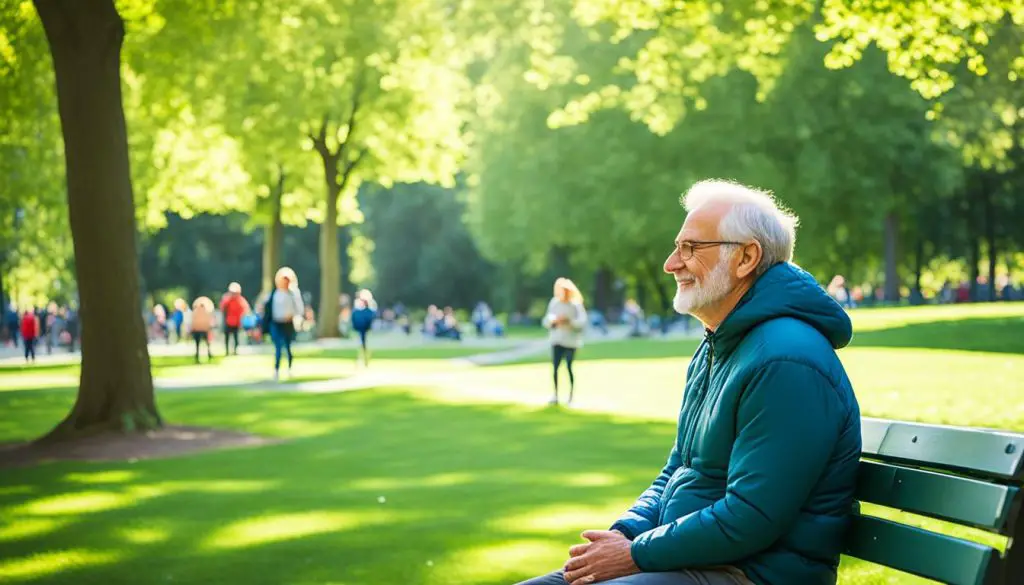
An extroverted introvert captivates us with their complex persona—both receptive and reserved, demonstrating a fascinating dance of social dynamics. From the stimulating rapport to serene solitude, the ebb and flow of their social affinity paint a vivid picture of where the energies lie, and how they manage interaction versus introspection.
The Social Dynamics of an Extroverted Introvert
The sociable introvert, though might appear reserved extrovert at the outset, they soon ease into the environment, weaving themselves into the fabric of social narratives. Versatile to the core, outgoing introverts juggle active participation with moments of quiet observation, avoiding the twin pitfalls of extreme solitude and social fatigue.
Engagement in Different Environments
Environments are pivotal to the well-being of an extroverted introvert. Be it a low-key dinner or a bustling soiree, the ambiance dictates their levels of engagement. A supportive setting may energize the quiet extrovert, while crowds or noise can coax the outgoing introvert to seek refuge in their more restrained shell.
Energy Management: Socializing vs. Alone Time
The prudent art form of energy management distinguishes ambiverts in their conduct of socializing versus treasuring alone time. They strike a deliberate harmony, indulging in the joy of company and, with equal intent, savoring the solace that rejuvenates their spirits.
| Engagement Scenario | Comfort Level for Extroverted Introverts | Associated Energy Dynamics |
|---|---|---|
| Intimate Gatherings | High Comfort | Energy Gained |
| Loud Parties | Moderate to Low Comfort | Energy Neutral to Drained |
| Work Meetings | Comfort Varies Based on Setting | Energy Invested |
| Solo Projects | Highly Comfortable | Energy Replenished |
| Public Speaking | Comfort Adaptive | Energy Expended or Gained |
Extroverted Introvert in the Workplace
The modern workplace is evolving, recognizing that the key to professional success may lie within the balanced personality of the extroverted introvert. As dynamics shift towards appreciation for flexibility, ambiverts are becoming increasingly recognized for their unique ability to harness a dual approach to professional interactions. In exploring workplace dynamics, Wharton professor Adam M. Grant’s findings illuminate how ambiverts blend the extrovert’s ease in assertiveness with the introvert’s reflective tendencies to optimize sales performance. Such a mix of traits allows for greater adaptability in customer engagement, offering the potential to skilfully navigate the varied social landscapes of one’s career.
This adaptability extends to team collaborations and leadership roles, where extroverted introverts can intuitively switch between spearheading initiatives and stepping back to empower others. Their intermediate position on the personality spectrum serves as a conduit for enhanced communication, making them well-suited for roles that require a nuanced understanding of group dynamics. Though highly advantageous, this ambiversion requires a keen sense of self-awareness. Balancing their intrinsic need for solitary recharge with the energetic demands of collaborative environments is pivotal in maintaining both personal well-being and career success.
In the fluid setting of the 21st-century office, the ambivert’s strengths can indeed convert into measurable success. Tapping into the power of a finely tuned social adaptability, extroverted introverts contribute positively to workplace dynamics with a harmonious blend of empathy and engagement, all while steering clear of the pitfalls of social fatigue. Their inherent capability to oscillate between leadership and team roles with authentic ease positions them as valuable assets in any professional landscape—truly a mark of versatile and sustainable career success.
FAQ
Q: What is an Extroverted Introvert?
A: An extroverted introvert, also known as an ambivert, is someone who exhibits qualities of both introversion and extroversion. This person enjoys social interactions but also needs time alone to recharge. They often find a happy medium between the two, adapting to social situations when needed and retreating to solitude when necessary.
Q: Can someone be both introverted and extroverted?
A: Yes, the concept of an ambivert describes a person who has both introverted and extroverted tendencies. They are flexible and can enjoy the company of others as well as cherish their own private time.
Q: What role does dopamine play in being an ambivert?
A: Dopamine levels influence the way an ambivert interacts with the world. Ambiverts have a mid-range threshold for dopamine, which allows them to balance the desire for new and stimulating experiences with the need for calm and solitude. This neurochemical balance helps them adjust to various social and solitary scenarios without being overwhelmed or under-stimulated.
Q: How did Carl Jung contribute to our understanding of extroverted introverts?
A: Carl Jung was the first to introduce the concepts of introversion and extroversion to the public. He suggested that most people fall somewhere between these two extremes, which paved the way for identifying ambiverts. His work acknowledges that personality traits exist on a continuum rather than as binary options.
Q: What are the social dynamics like for an extroverted introvert?
A: Extroverted introverts often display versatility in social situations, capable of being active listeners and engaging communicators. They may start off reserved but become more outgoing as they grow comfortable in a setting. This balance prevents them from becoming socially exhausted while allowing them to connect meaningfully with others.
Q: How do extroverted introverts manage energy when socializing?
A: Extroverted introverts manage their energy by being mindful of their social activity levels and ensuring they have adequate downtime. They enjoy interaction but also recognize the importance of solitude to recharge. This conscious balance allows them to engage with others without depleting their mental energy.
Q: What factors influence an extroverted introvert’s comfort and engagement?
A: The level of comfort and engagement for an extroverted introvert is influenced by the setting, crowd size, noise level, and the nature of the social event. They thrive in intimate and supportive environments but may feel drained in chaotic or inauthentic social scenes.
Q: How do extroverted introverts perform in the workplace?
A: Extroverted introverts, or ambiverts, are often successful in the workplace because they can adapt their approach to suit different social situations. Their capacity to listen and connect with others, combined with their ability to work independently, makes them valuable in various professional roles. They tend to perform well in positions that require both social interaction and individual initiative.
The post Understanding the Extroverted Introvert appeared first on MyEnglishTeacher.eu Blog.